Teleconsultation available Book an appointment →

Common disorders

Understand what you’re facing.

Recognising a problem is the first step to solving it. Here is an honest, jargon-free look at the conditions we treat most often — and the signs worth paying attention to.

Anxiety disorders

When worry refuses to switch off

Anxiety disorders — OJAS Neuropsychiatry Center

Anxiety is natural in small doses. It becomes a disorder when worry, fear or panic shows up most days and starts shaping your decisions — avoiding people, travel, exams or work.

Signs people often notice

  • Constant worry about everyday matters
  • Racing heart, breathlessness or sweating
  • Avoiding places, people or responsibilities
  • Trouble sleeping or feeling on edge
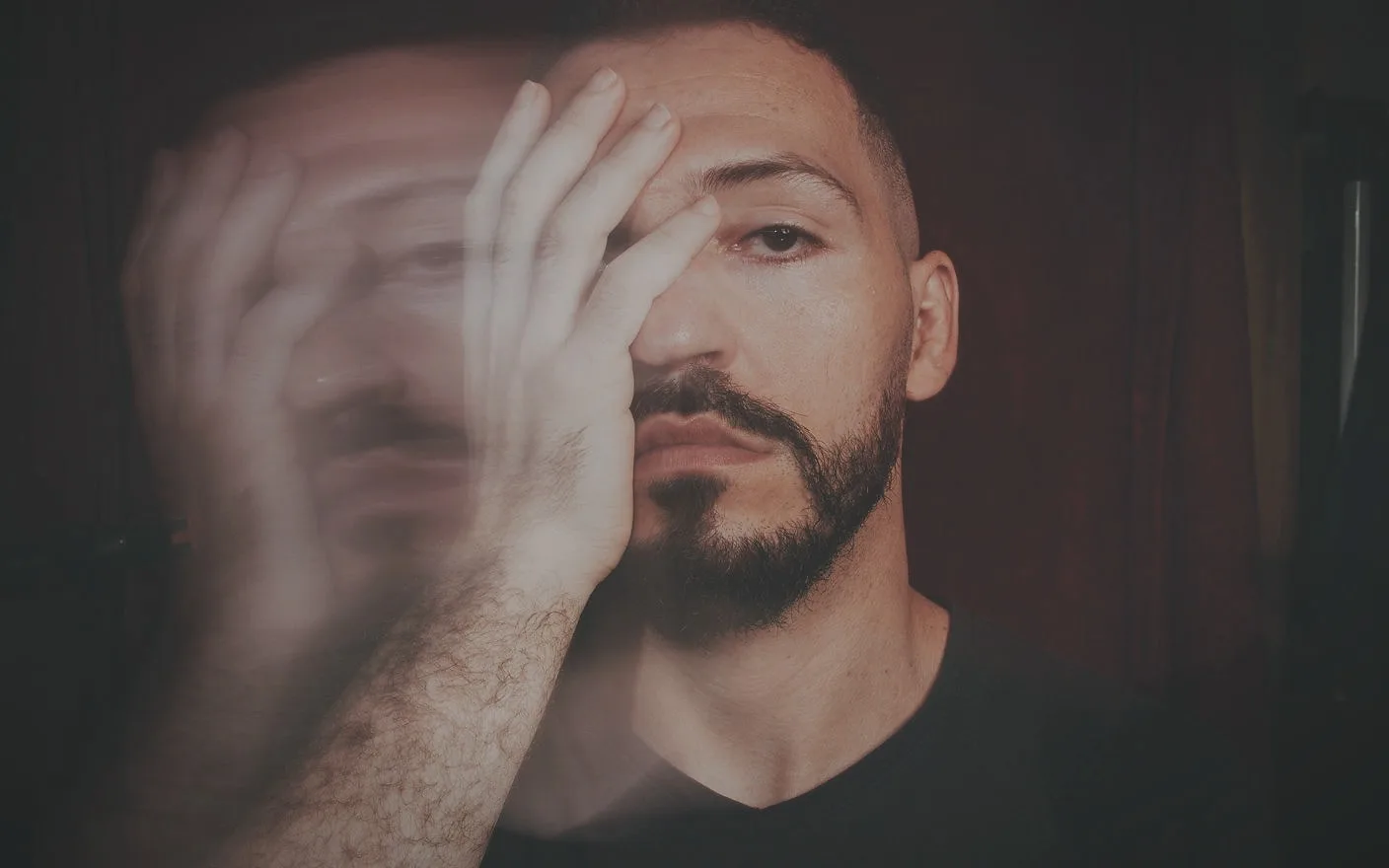
Depressive disorder

More than feeling sad for a day

Depressive disorder — OJAS Neuropsychiatry Center

Depression is a treatable medical condition, not a character flaw. When low mood, guilt or emptiness lasts most of the day for weeks and daily tasks feel heavy, it is time to reach out.

Signs people often notice

  • Low mood or irritability most of the day
  • Loss of interest in things you enjoyed
  • Changes in sleep, appetite or energy
  • Difficulty concentrating or thoughts of self-harm

Schizophrenia

When reality feels different

Schizophrenia — OJAS Neuropsychiatry Center

Schizophrenia can change how a person perceives, thinks and relates to the world. Early assessment, medication and family support make a meaningful difference to long-term outcomes.

Signs people often notice

  • Hearing or seeing things others do not
  • Suspicion or fixed unusual beliefs
  • Withdrawal and declining self-care
  • Disorganised speech or behaviour

Drug addiction

A health condition, not a moral failing

Drug addiction — OJAS Neuropsychiatry Center

Dependence on alcohol, cannabis, tobacco, opioids or other substances changes the brain’s reward system. De-addiction combines medical detox, counselling and relapse prevention — with dignity and confidentiality.

Signs people often notice

  • Using more than intended, or cravings
  • Needing more for the same effect
  • Withdrawal when stopping
  • Impact on work, study or relationships

Mania (bipolar disorder)

Highs that come with a cost

Mania (bipolar disorder) — OJAS Neuropsychiatry Center

Mania is a period of unusually elevated energy, mood or irritability — with less need for sleep and impulsive decisions. It often alternates with depressive episodes and responds well to mood stabilisers.

Signs people often notice

  • Very little sleep yet feeling energetic
  • Racing ideas or pressured speech
  • Risky spending, driving or relationships
  • Irritability or inflated self-confidence

Sexual disorders

Common, private and treatable

Sexual disorders — OJAS Neuropsychiatry Center

Sexual concerns are among the most treatable psychiatric issues — and among the most delayed, because of embarrassment. Consultations at OJAS are private, respectful and unhurried.

Signs people often notice

  • Desire, arousal or performance concerns
  • Pain or difficulty during intercourse
  • Erectile or ejaculation concerns
  • Distress affecting the relationship

Obsessive compulsive disorder

Thoughts that loop, rituals that trap

Obsessive compulsive disorder — OJAS Neuropsychiatry Center

OCD creates intrusive thoughts and repetitive acts — checking, cleaning, counting — that bring short relief and long frustration. Exposure-based therapy and medication together give the best results.

Signs people often notice

  • Recurring unwanted thoughts
  • Repetitive checking, washing or counting
  • Seeking constant reassurance
  • Hours lost to rituals each day

This page is educational and cannot replace a personal assessment. If something here resonates, book a consultation.

When you’re ready, we’re here

Recognising the signs is a strong first step.

A single conversation can bring clarity — and a plan you actually understand.